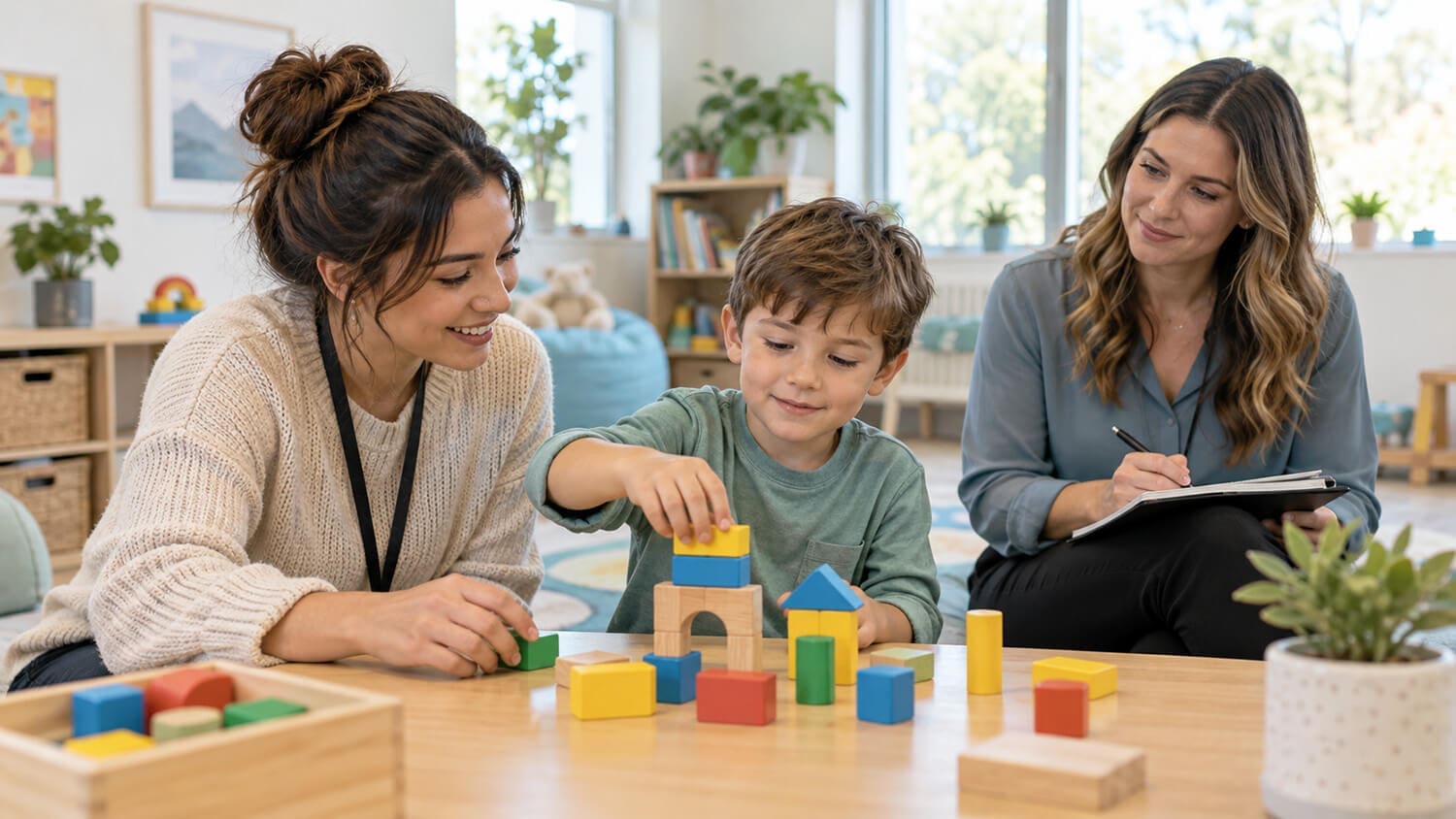
Did you know creativity increases cognitive skills? Some kids’ activities can be underestimated and not be taken seriously, but simple things like playtime can significantly impact their development. That’s why we shouldn’t focus only on what they’re learning at school but on what we are doing at home to help them evolve better.
You can do many activities at home that can boost children’s development, like crafts, coding, learning exercises, sports, art, music, and even games like chess. That’s why we asked people, who are familiar with these topics, for their advice.
What is the secret to raising creative kids?
As parents of three young kids, we are very cognizant and helping our children grow their creativity. The secret to raising creative kids is to understand what creativity is. We live in a world of rules and freedom within the rules. The more rules, the less opportunity there is for creativity. To us, it’s important to limit the limits we put on our kids. It’s also important to have rules so they can grow to fit into society. We allow the kids to pursue their ideas and explain why it matters when they approach rules. This can be something as simple as why it matters to color in the lines. We don’t tell them why it matters. We ask them why it does. Then it’s up to them if they want to. Our 5-year-old son wanted to make a smoothie a few days ago. I let him pick the ingredients. He picked raspberries, an apple, broccoli, a lot of garlic, some cherry tomatoes, and some grapes. Most parents would have said no to the garlic and broccoli. I didn’t. I wanted him to evolve his recipe skills (or lack of!). I mean, why does it matter what he puts into a smoothie? It’s an arbitrary rule.
Greg | Cha Ching Queen
In what stages of child development are gross motor activities more important?
Gross motor activities are important at all ages of development. However, the first three years of life are considered the most important because they are responsible for building foundational skills that affect later years of gross and fine motor participation. During the first year of life, gross motor skills are built through the integration of reflexes. Developmental milestones such as rolling over, pushing up on arms, crawling, sitting, and standing are important to begin to develop upper body strength, hand strength, core stability, bilateral coordination, and visual-motor integration skills. During the second year of life, transitioning from sitting to standing, walking, running, jumping, throwing, and climbing all build stability, coordination, and locomotion skills necessary to navigate around the environment, engage in play, and engage in daily life activities. These combined skills lead to the child’s ability to engage in sports, school tasks, and everyday life activities.
Annie Tao | Always Keep Progressing