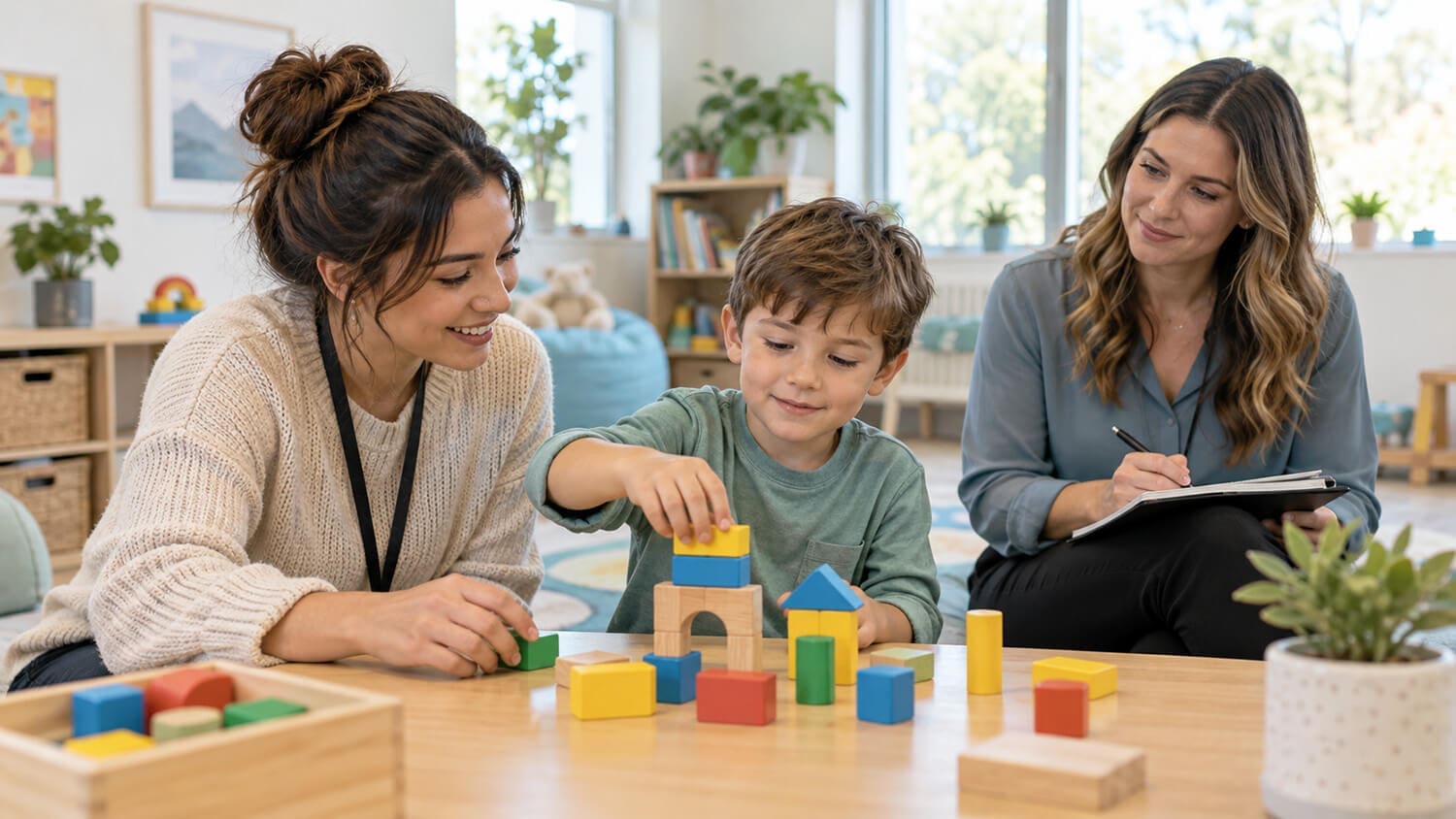
What better way to engage with your child than to craft and get creative, all while learning by making your very own sensory box! Children love stimulating their senses: Sight, Sound, Smell, Taste, and Touch.
For the purpose of this sensory box, activities will be made small enough to fit into a box (let’s say the size of a shoe box) but please feel free to create larger versions if you see that your child shows an interest in them. For example, a large sized sensory bag can be a fantastic alternative. If you are interested in learning how to create a fun sensory box with your child for each type of sense, you’ve come to the right place. Let’s get started!
Sight
What you’ll need:
- Food coloring (blue)
- Water
- Small zip-lock bag
- Strong tape
- Small plastic fish or glitter (optional)
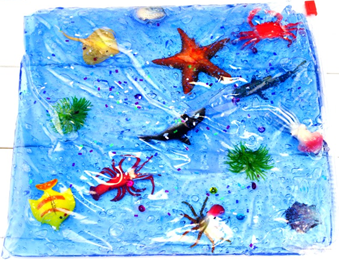
Let’s fill out a small sized Ziplock-bag with water! Then, add some glitter (optional) or blue food coloring (if doing an ocean theme). If you have any plastic fish toys at home, feel free to add them. That will create an ocean-themed sensory bag that your child will not only LOVE, but will receive sensory stimulation from (sight). Make sure to seal the bag with the strongest tape you can find, to ensure that no leaks or spills will happen. You can even double bag it as an extra precaution. The end result should look something like the image below
Touch
What you’ll need:
- Rice
- Small plastic toys
- Small plastic container
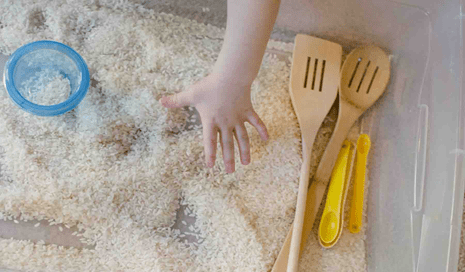
As far as stimulating by touch, we can create a container filled with rice (uncooked) and add a few small toys into the container. The toys can be hidden within the rice (to promote scanning skills and touch). Then, simply ask your little one to look for those items and give each one to you to promote socialization skills. The image below is a large container, but again, feel free to make a smaller one!
Sound
What you’ll need:
- Beans or any small, hard food items
- Small plastic water bottle
- Paper roll of either toilet paper or paper towels (cut in half)
- Tape
- Scissors
- Paint or stickers to decorate bottle (optional)
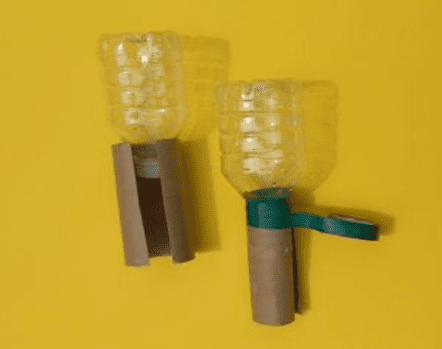
For this activity, we will make maracas! This activity is simple, but fun! First, fill up a water bottle at least halfway with beans, and close the cap. Then, cut a roll of paper to create a “stick” in order to hold the maracas. After that, apply tape to secure the paper roll around the bottle cap (please see image below). After that’s done, you and your little one can decorate your maracas with glitter, stickers, paint (get as creative as possible).
Smell
What you’ll need:
- Scented play-dough
- Leaves/Flowers or cooking spices (option 2, given no allergies)
- Small zip-lock bags
There are two ways to help stimulate your child’s sense of smell:
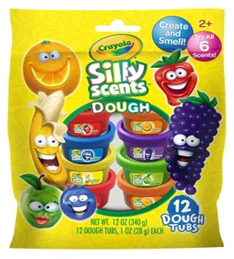
1: simply purchase 1-2 different scented play-dough to increase stimulation by allowing your child to smell different options.
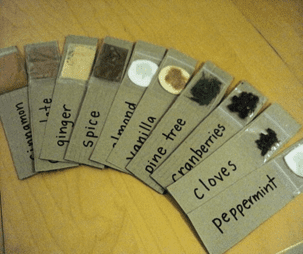
2: Use objects found in nature such as flowers or leaves and store them into small zip-lock bags so that your child can open and smell different options as well. You can also use cooking spices and powders such as cinnamon, peppermint, vanilla etc. (be cautious with food allergies, this is not ideal for everyone).
Taste
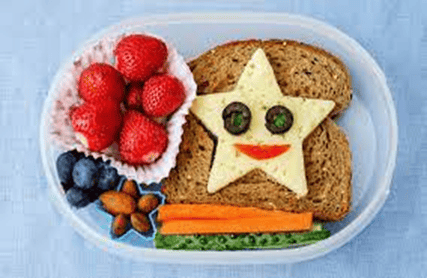
Last but not least, taste! As far as taste, you can incorporate a yummy snack that your child loves into another sensory activity. You can use this as a reward after your child engages with the other items inside your sensory box! I recommend removing the snack from its original packaging and placing it in a small container to avoid distractions during your sensory box activity and save it for last.
Most importantly, HAVE FUN! Get as creative as you want with sensory activities. At Always Keep Progressing, our occupational therapists are licensed and trained to implement many different sensory activities, which can help reduce anxiety, increase motivation, and improve many different areas of development.
If you think your child might benefits from occupational therapy services, please contact us at 786-206-4151.
All images were obtained through Google images.
Always Keep Progressing
We are a private speech-language pathology and occupational therapy practice in Miami, Florida, dedicated to providing personalized therapy to children of all ages. Our trained bilingual occupational therapists provide services specifically tailored to each individual child to help grow their independence and fine-tune their skills. Contact us for an evaluation if you are interested in our services!
For more resources check our other blogs and follow us on Facebook, Instagram, and LinkedIn!