by Jenilee Estevez - Occupational Therapist
Wouldn’t it be nice to have an easily accessible item you can reach for at any time, that would help when your child is feeling overwhelmed? Calming bottles, also known as sensory bottles, can help a child with self-regulation when feeling anxious or overstimulated, through the senses of proprioception and visual, by shaking the bottle and watching the glitter or contents settle. Calming bottles can be used in a variety of ways by helping a child focus on the item and relaxing, as well as a learning tool, or sensory item.
There are countless options when choosing what items you want inside as you’re creating your own calming bottle. Outlined will be the steps to create a simple sparkling calming bottle, that you can make personable to your child.
Materials:
-Plastic water bottle
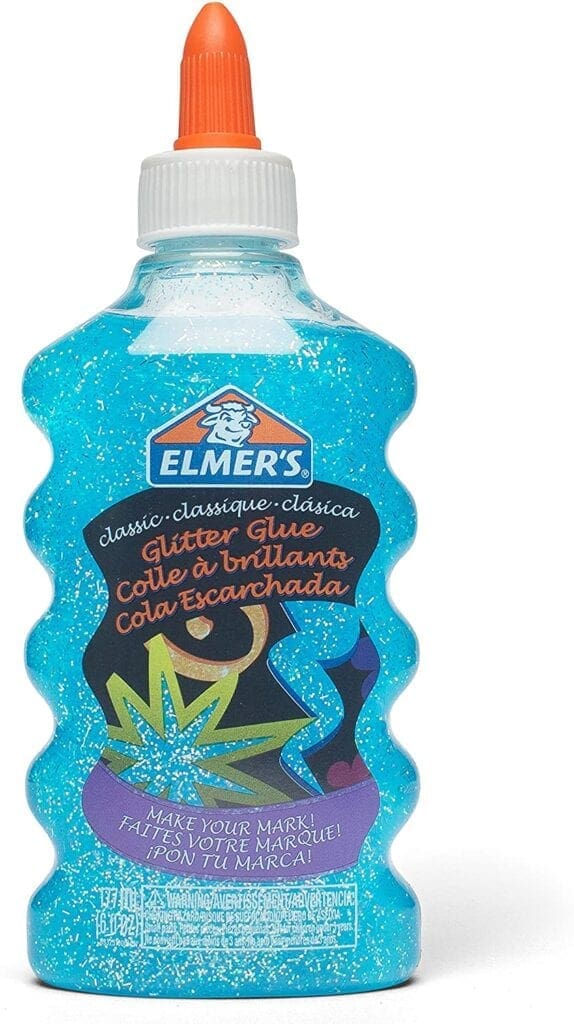
-Gel glitter glue
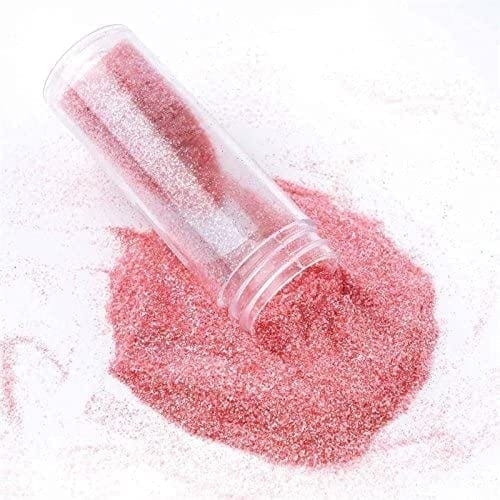
-Fine glitter
-Hot water
-Glue gun or Krazy Glue
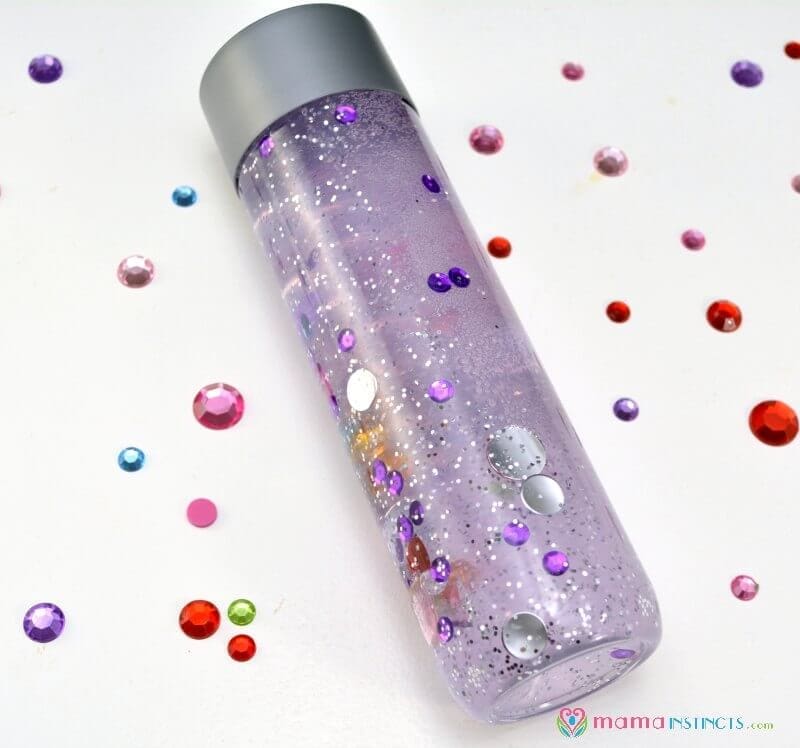
Directions:
- Remove label from any plastic water bottle you choose.
Suggestion: Smartwater bottles are tall and smooth, and can create a sturdy calming bottle. - Add approximately 1/2-1 inch of gel glitter glue to the bottle.
- Pour 1-2 tablespoons of any color fine glitter into the bottle.
- Fill the bottle cautiously with hot water, to help soften the glue and mix properly. Do not fill the bottle up to the rim with water, leave approximately an inch of space.
- Close the lid and shake the bottle. Adjust the contents of the bottle by adding more gel glitter glue to make it slower.
- Let the water cool down, adding more glitter if needed as it settles.
- Once cooled and you are happy with the contents inside, remove bottle cap and wipe any moisture around rim. Use Krazy glue or a glue gun to seal the cap back on. Allow the bottle to settle for 5 minutes.
*Add other items such as foam letters, numbers, beads, small seashells, feathers, or small toys to create a learning tool as well by incorporating iSpy strategies.
Using this calming strategy can help your child when they need a little help winding down. This calming bottle is both a functional and creative sensory activity you can enjoy building with your child. Let your imagination run wild!
References
Beck, C. (2015, February 21). How to make a Sensory Bottle. The OT Toolbox.
https://www.theottoolbox.com/how-to-make-sensory-bottle/
Morse, J. (2013, December 4). Calming bottle. This Is How We Mommy.
http://skinnywithjess.blogspot.com/2013/12/calming-bottle.html
Crazyblessedlife. (2011, October 3). Relax Bottle/Time Out Timer. My Crazy Blessed Life!
https://mycrazyblessedlife.com/2011/10/03/relax-bottletime-out-timer
Therapy for Kids with Special Needs in Miami
At Always Keep Progressing Miami, our trained bilingual speech and occupational therapists provide services specifically tailored to each individual child to help grow their independence and fine-tune their speaking and occupational skills. If you are concerned with your child’s development, an SLP or OT can help answer any of your questions!
Contact us for an evaluation if you are interested in our services!
For more resources check our other blogs and follow us on Facebook, Instagram, and LinkedIn!