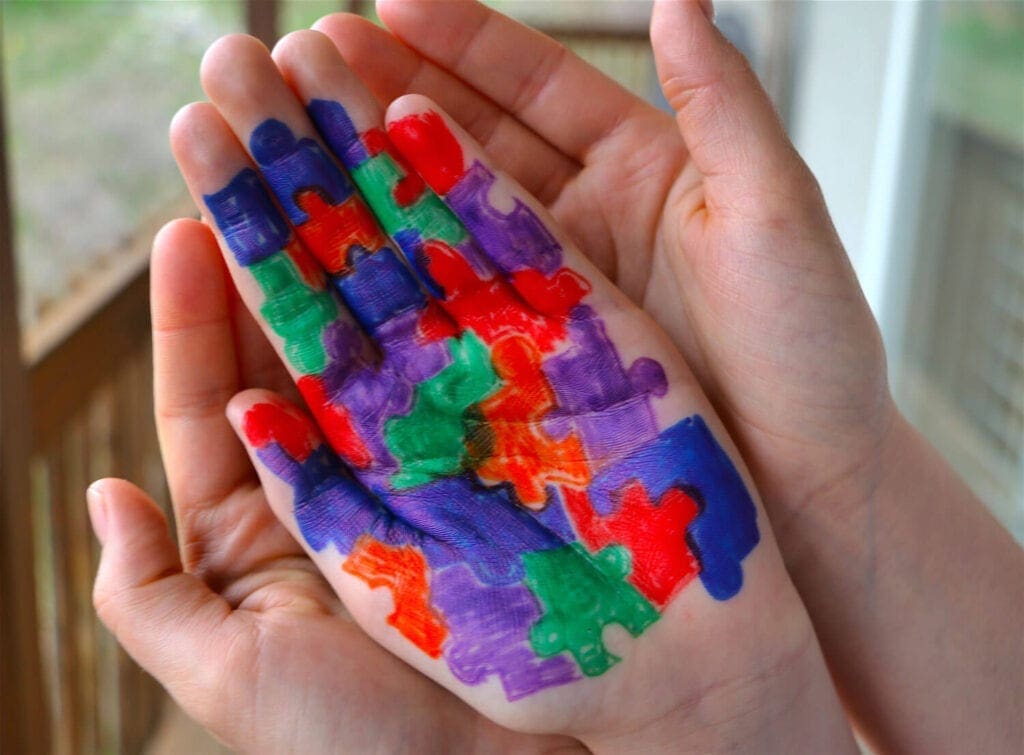
The relationship between autism and mental health is a taboo subject for most. Mental health is often overlooked due to the trouble individuals on the spectrum have with truly expressing their emotions. Not only do these individuals have to deal with their own personal hardships, but also with the people around them creating a negative social stigma. The social stigma that people with autism are constantly experiencing has been found to negatively contribute to the ability of developing a positive social identity. Research has shown that autistic participants tend to experience lower levels of personal self-esteem, and increased levels of depression and anxiety compared to normal controls (Cooper et al., 2017). Although individuals with autism face more obstacles with their mental health than average individuals, having a positive Autism social identity can be used as a protective barrier. As friends and family members, it is our responsibility to be a strong support system which is a key element in overcoming this. A healthy and caring support system directly correlates with the ability to develop a positive Autism social identity, and as a result, improve one’s mental health and that of the individuals surrounding environment.
Although individuals with autism undergo immense struggles with their mental health, the mental wellbeing of their families is often disregarded as well. It has been found that the primary caregivers of an individual with autism reported higher levels of worry, depression, anxiety and stress (Herrema et al., 2017). It was also mentioned that they felt extremely unprepared by this, which contributed to a decline in their overall mental health. Worrying about the future is a major concern, and they often feel isolated due to the majority of their time being spent caregiving. Studies place a large emphasis on support systems, whether it is someone who personally has autism, or a family member of someone with autism. Support services to address their own concerns, such as therapy, is very helpful in maintaining their mental stability. Making connections with others that are experiencing a similar lifestyle is a great way to assure you that you are not alone in this. Below we listed some support resources for family and friends of individuals with autism, with the hopes to provide a secure space where you can feel a part of the community.
To anyone experiencing a negative mental wellbeing as a result of autism or caring for an autistic individual, do not be afraid to seek support!
-Support groups for the friends and family members of someone with autism spectrum disorders:
Autism Society - http://asabroward.org/
Center for Autism and Related Disabilities - http://umcard.org
The Dan Marino Foundation - https://danmarinofoundation.org/