Traveling with a family member who has Autism Spectrum Disorder (ASD) can seem overwhelming and challenging, leading many families to opt-out of travel altogether. With the holidays coming up, many families will be taking advantage of vacation time and traveling to see loved ones. Unfortunately this is not the case for the majority of families with autism spectrum disorder (ASD).
According to a study by IBCCES, only 13% of autism families take vacations. However, there are many ways to make traveling easier so that precious vacation time can be spent making memories with family. For example, if anxiety about leaving the familiar home environment is causing you to second guess travel plans, try using a countdown calendar to familiarize your child with the plans ahead of time. If you’re worried about overstimulation, be sure to plan breaks during the day while traveling, and avoid introducing too many new sights and sounds in the same day. Remember, each of these problems has a potential solution that does not include canceling or postponing your trip!
Be sure to plan ahead
Especially when it comes to packing your bags, spend some time planning ahead. Travel essentials such as familiar snack foods, a weighted blanket, noise-cancelling headphones, and plenty of preferred entertainment will help to reduce and manage any sensory issues that pop up while traveling.
Discuss plans with your child
Be sure to discuss travel plans with your child, leaving room for your child to ask questions. Pictures and videos of the sights you will encounter and social stories detailing your plans are great options for helping your child prepare for the trip.

Get a playlist ready
If you are preparing to travel for long periods of time by car, you can prepare to choose familiar, preferred music to listen to, and take special care to keep the volume at an appropriate level for your child.
Plan and familiarize yourself with stops ahead of time
Plan out food and gas station stops as much as possible in advance. Creating a visual schedule for the car ride and anticipated stops is a great way to prepare your child for this aspect of the trip!
If you’re traveling by plane, make sure to familiarize yourself with the airports and any resources available, such as sensory spaces.
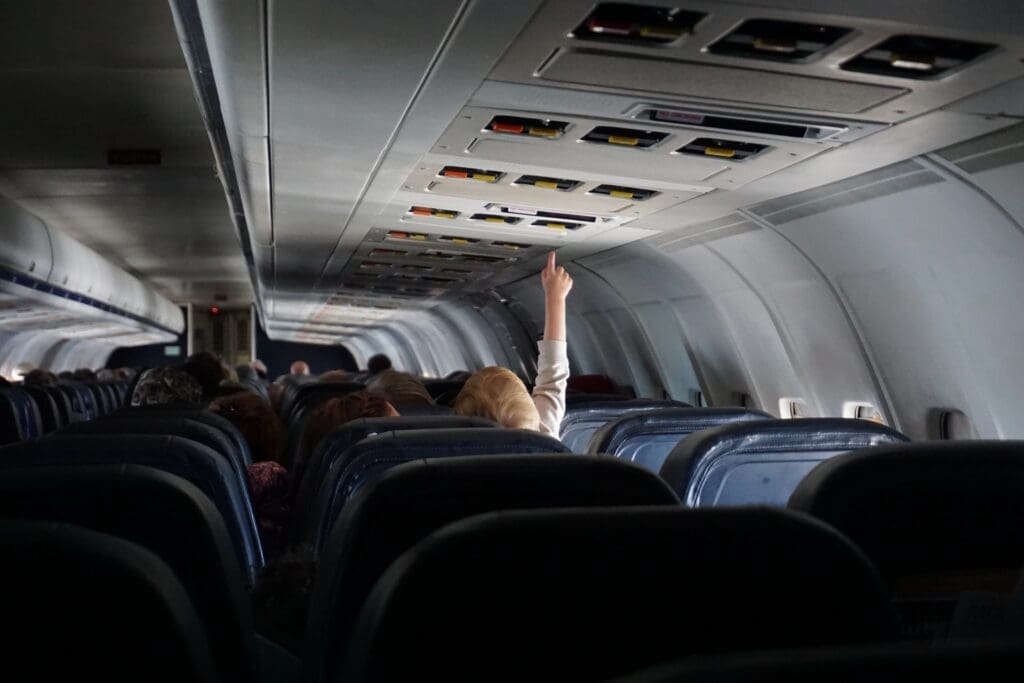
Sit together on planes
On the plane, try to choose seats that are together, even if this requires an additional fee. Flying is a wonderful experience, but it also brings along challenges like motion sickness, ear-popping, and boredom. Familiarize yourself with doctor-recommended remedies and in-flight entertainment options.
Traveling with a family member who has ASD can be a challenge, but it does not have to be impossible. Remember: plan ahead as much as possible, prepare your child for the trip using pictures, social stories, and visual schedules, and plan for the special circumstances that may occur when traveling by car or plane. Lastly, HAVE FUN! If you want to learn more about these travel tips, click here.
This guide includes…
- 10 common obstacles and tips for how to overcome them
- A breakdown of the travel process and car/plane travel tips
- Tips for sensory processing disorder
- Entertainment ideas for during the trip
Vacations are a great way for people with autism to experience new environments and spend quality time with their loved ones and we hope this amazing resource will help you to make this a possibility for them.