Children with developmental delays and ASD can sometimes struggle to maintain a fair “tripod” grasp when writing, coloring, or using any type of writing device due to poor fine motor control and weak hand muscles. Incorporating adaptive equipment can be fun, but often scary for children. Please be patient when introducing these types of adaptive equipment during their writing/coloring activities. Take it slow and go one step at a time. There are two types of adaptive equipment you can use: high tech and low tech. Let’s dive right in!
High Tech: Pencil Grip Adapter
The pictures below show some options and are organized in order of where to begin first. You will want to start with an adapter like the one shown in “1st stage” and gradually over time, transition to the “4th stage”. Eventually, these steps will conclude with using no adapter to write and maintain the tripod grasp. The key here is to be patient!
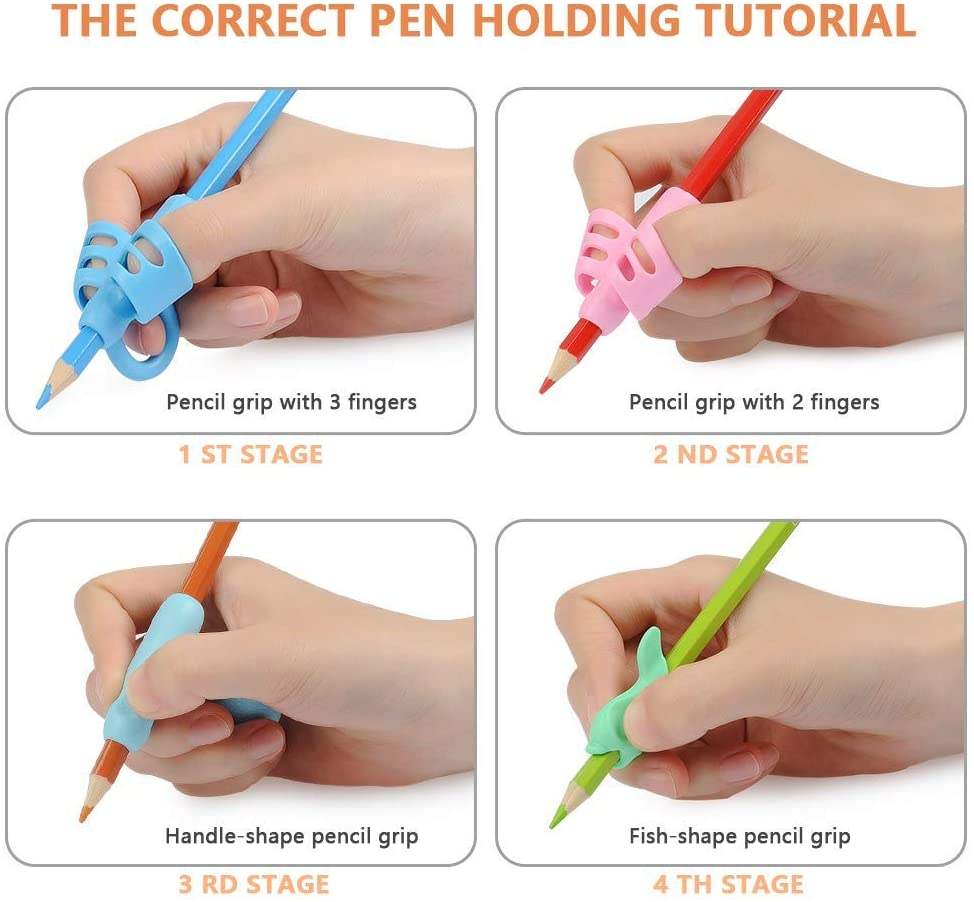
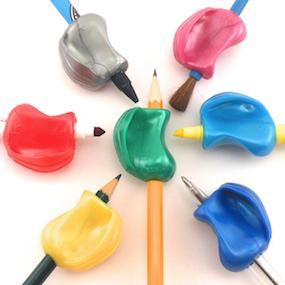
I recommend purchasing some colorful pencil grip adapters to make it fun and motivating for your child. You can even choose their favorite color to increase motivation. Below you’ll see some photos of some more examples of adaptive pencil grip adapters that can aid with improving your child's tripod grasp.
Low Tech: Paper clips, Tennis balls, Hair-ties
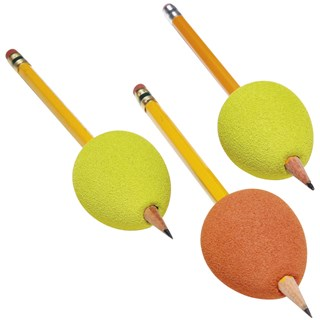
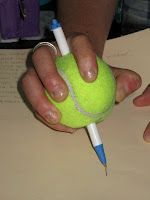
Sometimes, purchasing a ready-made pencil adapter can become pricey. Or, maybe you just want to get a little creative and make your own! Below, you will see some low-tech ideas to promote tripod grasp without breaking the bank! A lot of these items might already be found at home and are easy to use. The tennis ball for example, can be a good idea tool to start with, for those with poor grip or fine motor control since it allows for a wider grip and it is easy to manipulate. All you have to do is puncture a hole in the middle of the ball and insert the pencil/color pencil inside.
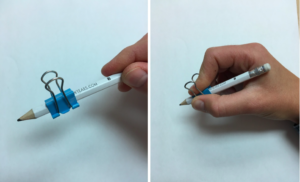
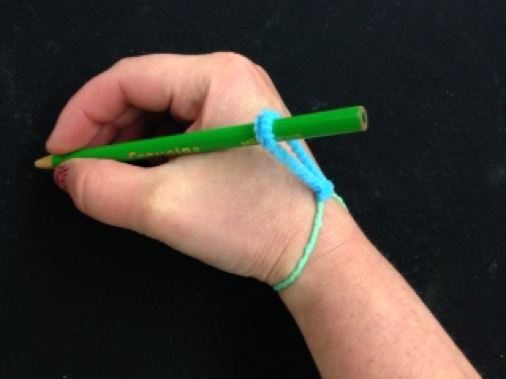
The hair ties are also a common everyday object that can be used to make a DIY pencil adapter. Simply tie a knot between two hair ties and place them on the hand and pencil as shown in the picture below. Binder clips are another great alternative for a store-bought pencil grip adapter, as it provides the closest form to a tripod grasp. Don’t forget to have fun and get creative when making your own adaptive equipment with objects around the home. Try different materials and see which ones your child reacts best to!
Most importantly, do not worry if your child does not react well to these adaptations the first time around. These things take time and practice. I recommend starting simple -- Introduce these adaptive pieces as a toy, something they can play with, touch, or even just something they can have in their line of sight while playing. Allowing them to engage with these tools little by little will allow them to become comfortable enough to ultimately use during writing or coloring activities. At Always Keep Progressing, our occupational therapy team works on fine motor skills and writing/coloring skills using adaptive equipment and uniquely designed treatment strategies.
(All images are sourced from google images http://www.google.com)